To More Inquiry
Open year-round from 6 a.m. to 6 p.m., the Aberdares National Park offers a stunning masterpiece of high-altitude beauty. This reserve reveals a completely different side of Kenya—far from the sun-baked savannahs. Imagine a world of lush, emerald-green rainforests, awe-striking waterfalls cascading down mossy cliffs, and a perpetual, cool mountain breeze. This is the magic of the Aberdares.
Spanning a vast 765.7 square kilometers in Kenya’s central highlands, this national park is a geological and ecological treasure.


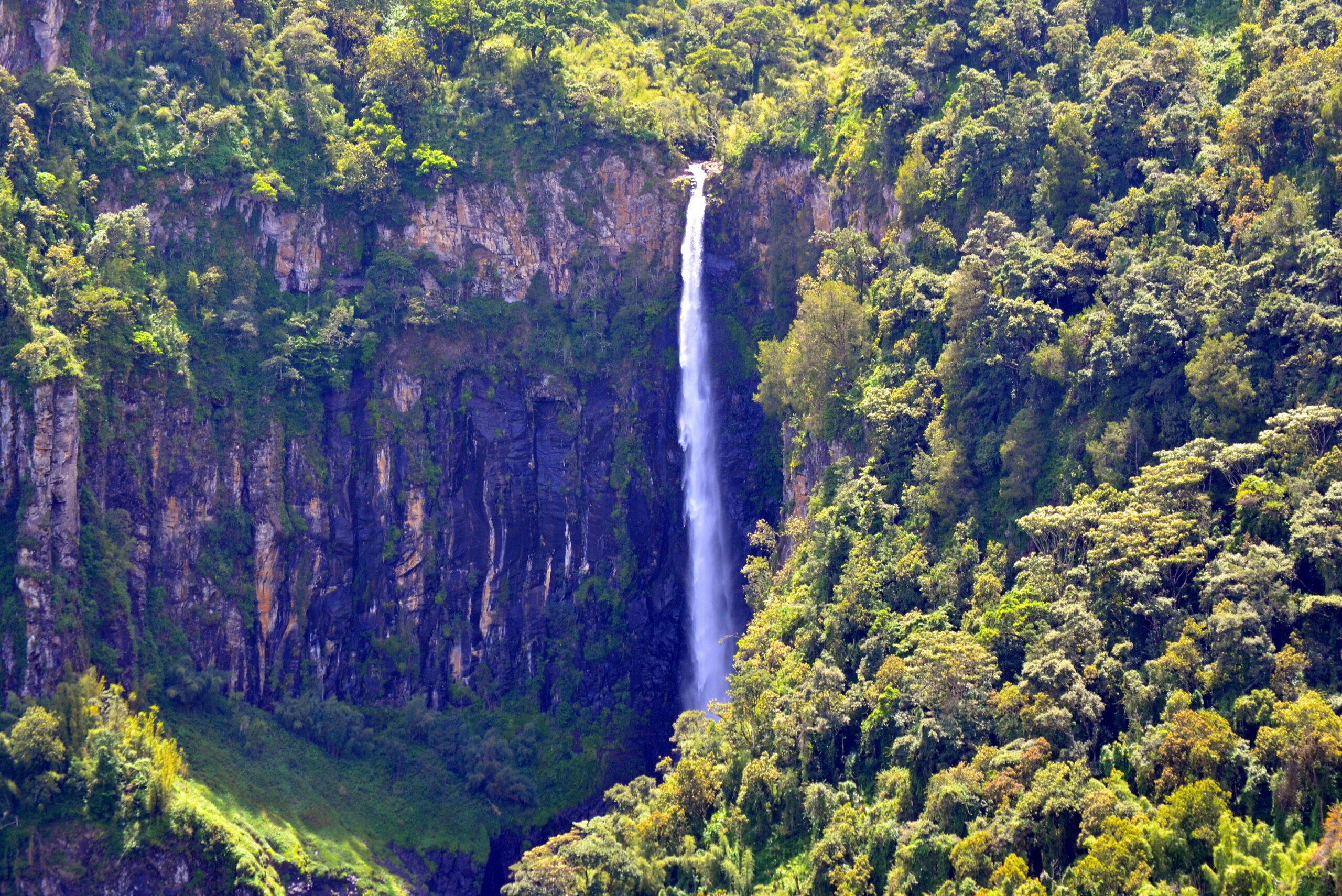
The Aberdares is a volcanic range that forms part of the eastern wall of the Great Rift Valley. Stretching approximately 100 km north to south, this range is crucial to Kenya’s environment. It supports most of the country’s rare Afro-alpine moorland and dense Afro-montane forest. These landscapes contribute to the park’s dramatic heights, which soar over 4,000 meters. The high altitude creates a unique microclimate, often shrouding the forests in a mystical mist that adds to the park’s enchanting atmosphere. This constant moisture is what feeds the vibrant ecosystem and powerful waterfalls like the famous Karuru Falls.
The thick bamboo forests and rainforests of the Aberdares National Park provide an ideal habitat for an incredible array of mammals. It’s a place where you can genuinely feel the wild around you; a buffalo or elephant can materialize from the mist at any moment. The park is a vital sanctuary for over 2,000 elephants and hosts Kenya’s second-largest population of the critically endangered black rhino.
Other iconic animals that call the park home include lions, leopards, spotted hyenas, bushbucks, Sykes’ monkeys, and olive baboons.
One of the most compelling reasons to visit the Aberdares National Park is the chance to spot rare and elusive species. It is one of the few places in Africa where the mysterious black leopard is occasionally glimpsed. More significantly, the Aberdares boasts one of only two surviving wild populations of the majestic mountain bongo, a large, striped forest antelope that is critically endangered. According to the <a href=”https://www.worldwildlife.org/species/bongo” rel=”dofollow”>World Wildlife Fund (WWF)</a>, concerted conservation efforts are crucial for its survival. Other unique forest dwellers include the African golden cat, the giant forest hog, and the serval cat.
For birdwatchers, the park is a dream destination with over 290 recorded species. The cool, wet climate is perfect for a host of avian life, including regionally endemic species like Jackson’s francolin and the critically endangered Aberdare Cisticola. You can also spot majestic raptors like African goshawks and sparrowhawks, alongside vibrant sunbirds and plovers.
If you have a passion for butterflies, the Aberdares National Park is a real find. The diverse habitats, from moorlands to rainforests, are populated by a spectacular array of these beautiful insects, making every trail a kaleidoscope of color.
While wildlife drives are a primary draw, the adventures don’t stop there.
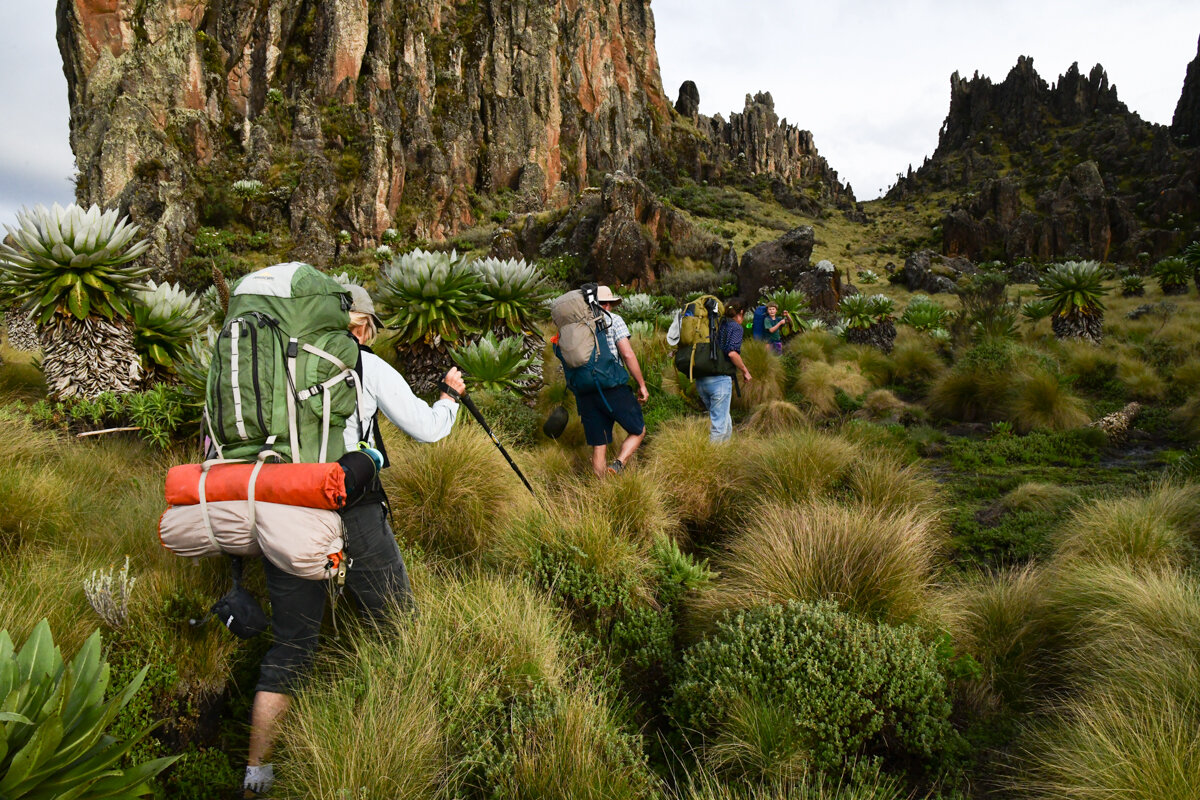
Trekking and Hiking: For those who love action, the park offers fantastic trekking opportunities through selected trails. Hiking through the moorlands, with their strange, giant lobelia and groundsel plants, feels like walking on another planet. All hikes must be done with a KWS ranger for safety.
Camping and Picnics: Camping in the Aberdares is an unforgettable experience, allowing you to immerse yourself in the cool mountain air and nocturnal sounds. For a more relaxed day, the park has several scenic picnic sites perfect for a family outing.
Sport Fishing: The cold, clear rivers, such as the Chania, provide decent opportunities for sport fishing, primarily for trout. While the aquatic life has changed over the years, it remains a popular pastime.
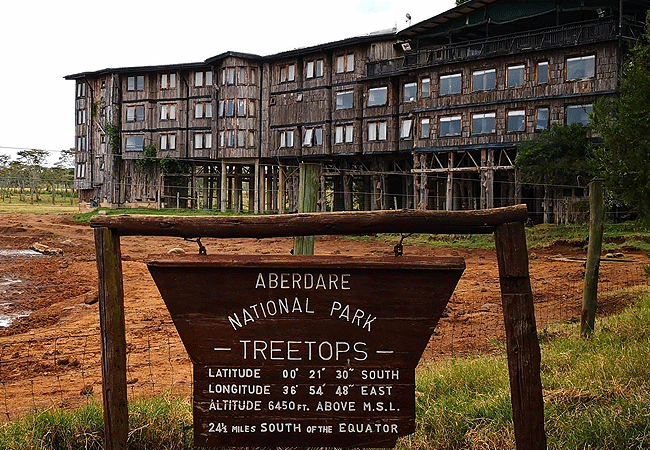
Staying in Unique Accommodation: A trip to the Aberdares is incomplete without mentioning its famous lodges, like The Ark and Treetops. These lodges are designed to overlook waterholes and salt licks, allowing you to watch wildlife 24/7 from the comfort of a balcony. For more on booking these unique stays, check out our guide to <a href=”https://www.example.com/kenya-unique-lodges”>Kenya’s most unique safari lodges</a>.
Destination: Aberdares National Park
Location: Central Kenya, within Nyandarua and Nyeri counties.
Nearest Major City: Nairobi (approximately a 3-hour drive).
Language: English and Swahili (official languages).
Best Time to Visit: The park is accessible year-round. For the best wildlife viewing, the drier months from January to February and June to September are ideal, as animals are more easily seen at water sources.
Ready to experience this misty mountain kingdom? The Aberdares National Park is a captivating destination that promises adventure, serenity, and unforgettable encounters with some of Africa’s most unique wildlife. Start planning your <a href=”https://www.example.com/kenyan-safari-itineraries”>Kenyan safari itinerary</a> today to include this incredible high-altitude gem.


TAXES INCL/PERS

TAXES INCL/PERS

TAXES INCL/PERS

TAXES INCL/PERS

TAXES INCL/PERS

TAXES INCL/PERS

TAXES INCL/PERS

TAXES INCL/PERS

TAXES INCL/PERS
To receive our best monthly deals