The Ngorongoro Conservation Area (NCA) is one of Tanzania’s most famous and breathtaking tourist destinations. It is a UNESCO World Heritage Site located in northern Tanzania, west of Arusha, and forms part of the Serengeti ecosystem. Covering approximately 8,292 square kilometers, the area is known for its Ngorongoro Crater, diverse wildlife, and Maasai culture.
Ngorongoro is unique because it is a multiple land-use area, where wildlife, conservation, and human settlements coexist. It is home to over 25,000 large animals, including the Big Five (lion, leopard, elephant, rhino, and buffalo) and vast herds of wildebeests and zebras.
Highlights of Ngorongoro
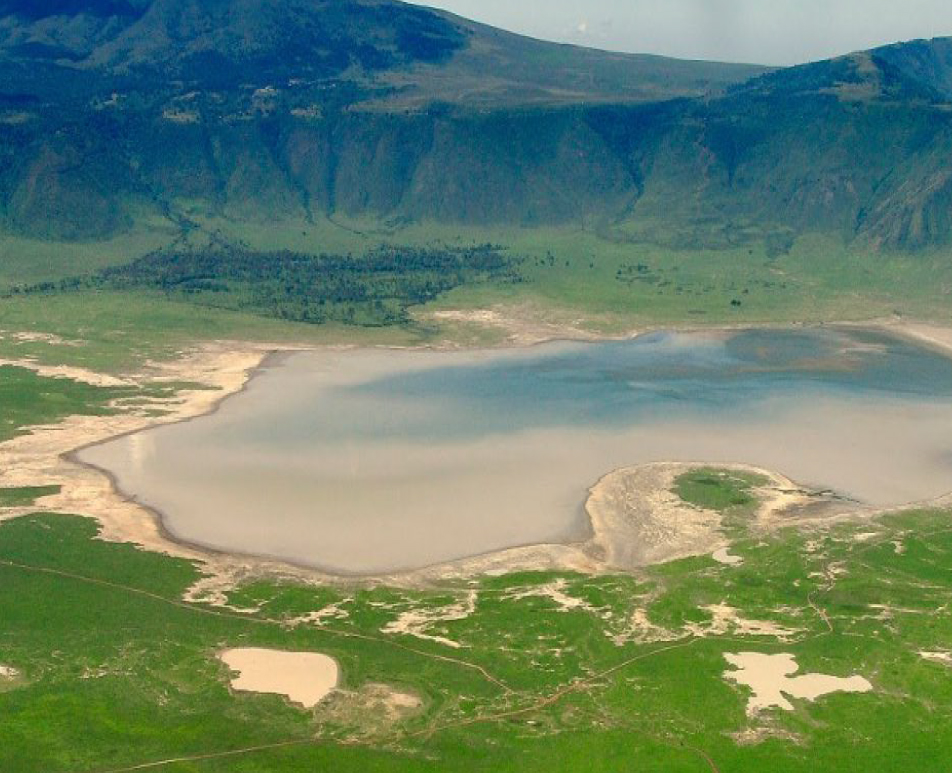
Ngorongoro Crater – The world’s largest intact volcanic caldera, covering 260 square kilometers, with a diameter of 20 km and a depth of 600 meters. It is often called the “Eighth Wonder of the World.”
Olduvai Gorge – One of the world’s most important prehistoric sites, where early human fossils dating back 1.9 million years were discovered by Dr. Louis and Mary Leakey.
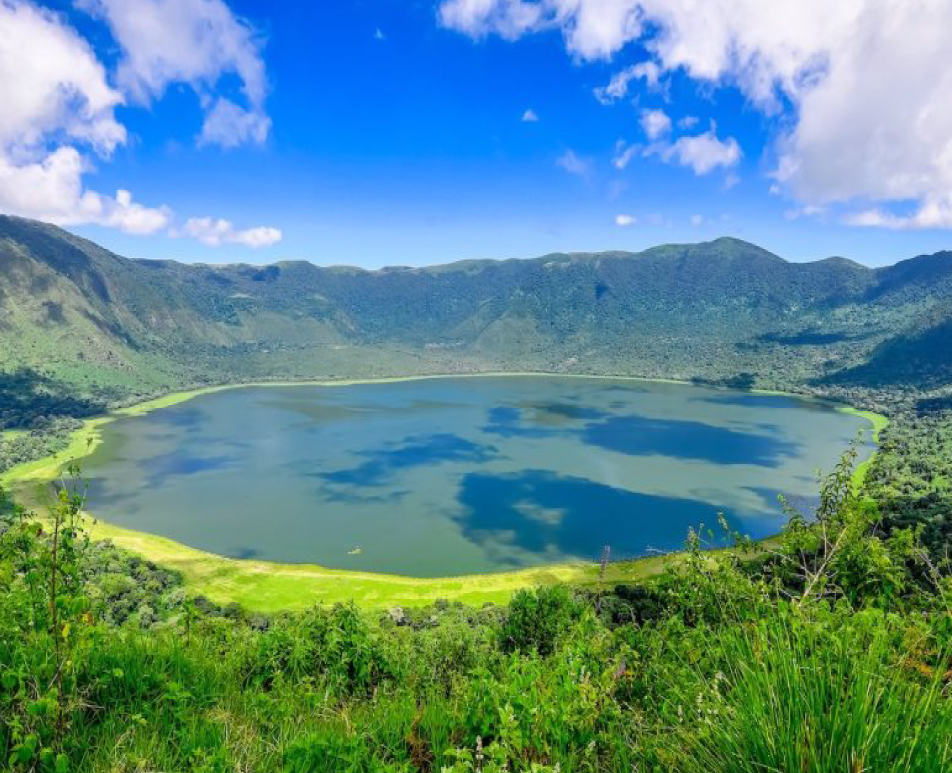
Empakaai Crater – A stunning crater with a deep blue lake, perfect for hiking.
Olmoti Crater – A beautiful but lesser-visited crater with a seasonal waterfall and lush vegetation.
Lake Magadi – A soda lake inside the Ngorongoro Crater, home to flamingos and other bird species.
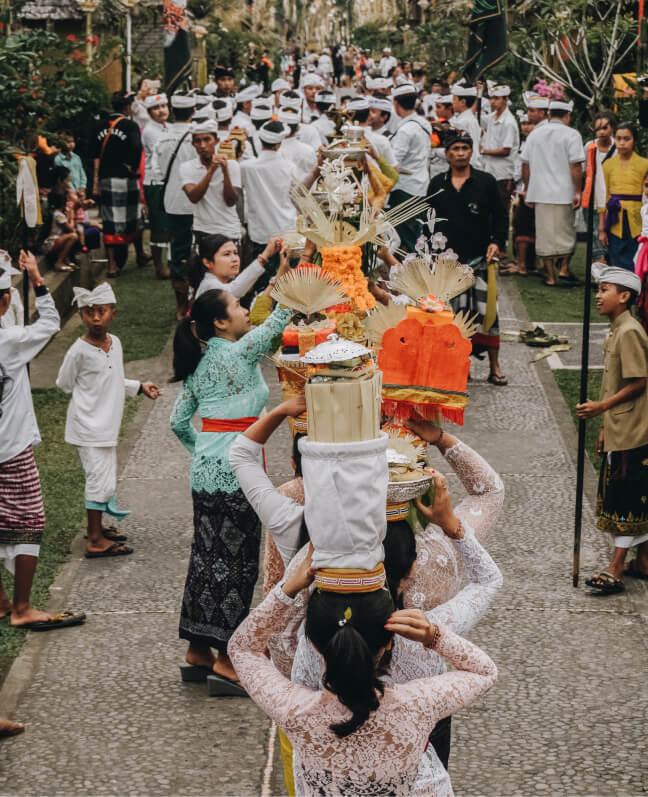
Maasai Villages (Bomas) – Experience the Maasai people’s culture, including their traditional dances, houses, and way of life.
Tourist Activities in Ngorongoro
Game Drives
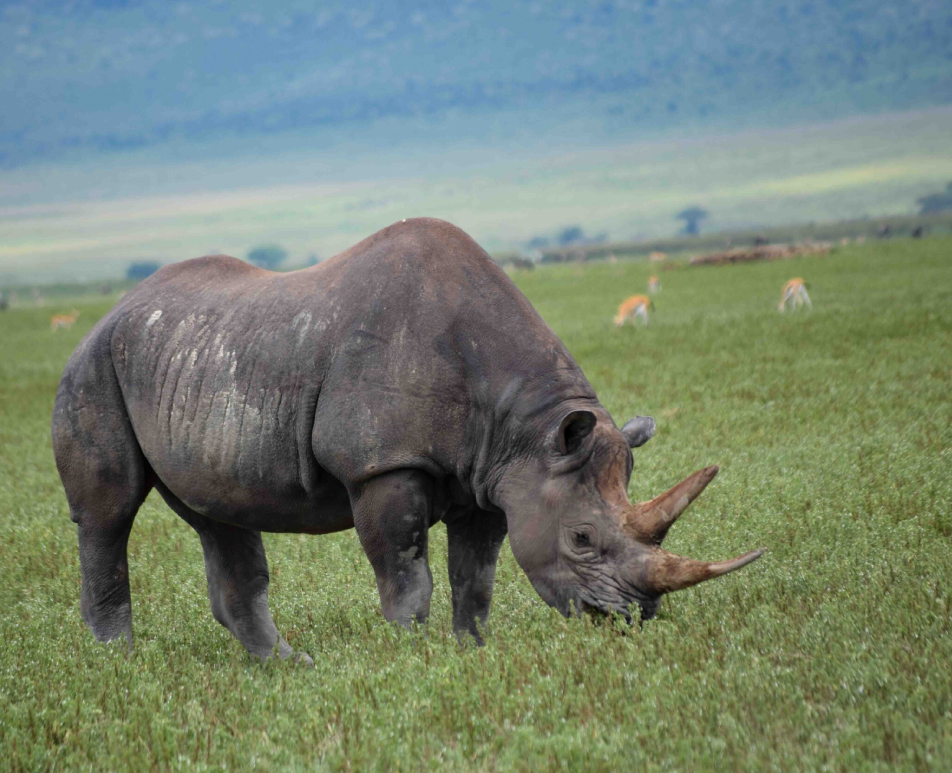
Ngorongoro is home to diverse wildlife, including black rhinos, lions, cheetahs, hippos, hyenas, zebras, and giraffes.
The crater offers one of the best wildlife viewing experiences due to its enclosed nature.
Cultural Tours
Visit Maasai villages (bomas) to learn about their traditions, livestock-keeping lifestyle, and unique dress code.
Participate in Maasai warrior training and watch traditional ceremonies.
Hiking & Walking Safaris
Empakaai Crater Hike – A 2-3 hour hike with stunning views of the crater and flamingos in the lake.
Olmoti Crater Hike – A shorter one-hour hike to the crater rim, offering views of waterfalls and lush vegetation.
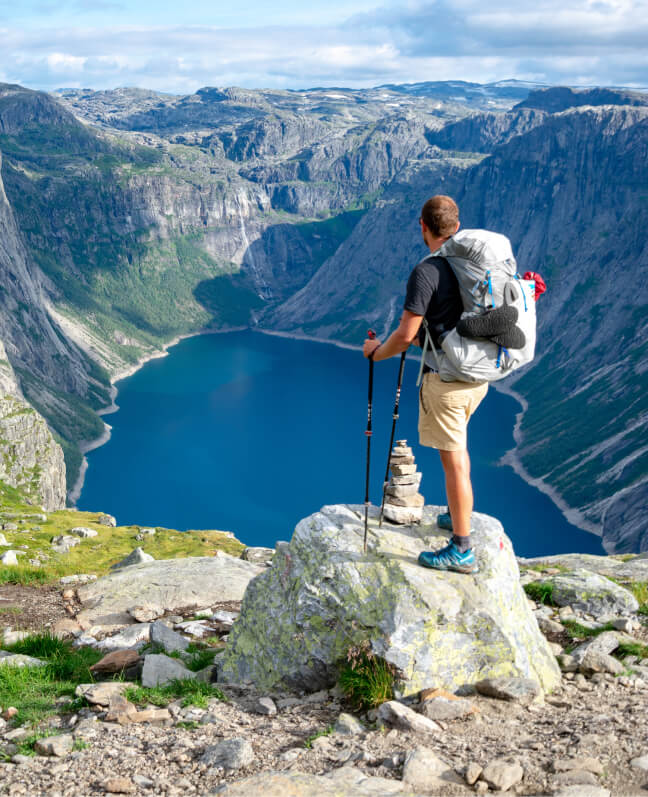
Highland Walks – Guided nature walks along the crater rim provide breathtaking landscapes and wildlife encounters.
Bird Watching
Over 500 bird species, including flamingos, ostriches, crowned cranes, and secretary birds.
Best spots include Lake Magadi, the crater floor, and Empakaai Crater.
Camping & Photography
Several campsites offer a wild safari experience, allowing visitors to sleep under the stars with wildlife sounds.
The diverse landscapes, wildlife, and sunsets make Ngorongoro a paradise for photographers.
Visit Olduvai Gorge & Laetoli Footprints
Learn about the discovery of early human fossils and footprints dating back 3.6 million years at these famous archaeological sites.
Best Time to Visit
June – October (Dry Season): Best time for wildlife viewing as animals gather around water sources.
November – May (Wet Season): Green landscapes and calving season for wildebeests in January-March.
Ngorongoro is a must-visit destination for wildlife enthusiasts, cultural explorers, and adventure seekers.